


Nitish Kumar has been recognised by the World Book of Records, London, after taking oath as Bihar Chief Minister for the tenth time. This is the first time in India that a leader has reached this milestone. Here’s what happened and why it matters today.
Nitish Kumar Enters World Book of Records After Taking Oath as Bihar CM for the Tenth Time
Historic Recognition for Nitish Kumar
Nitish Kumar has officially entered the World Book of Records after becoming the first person in India to be sworn in as Chief Minister ten times. The recognition was issued from London, adding a unique chapter to Bihar’s political timeline.
How Nitish Kumar Reached the Ten-Time CM Milestone
His political journey stretches across several decades, and what makes this moment special is the number of times he has returned to the Chief Minister’s position. The World Book of Records has acknowledged this rare achievement under the category of “Chief Minister for ten times.”
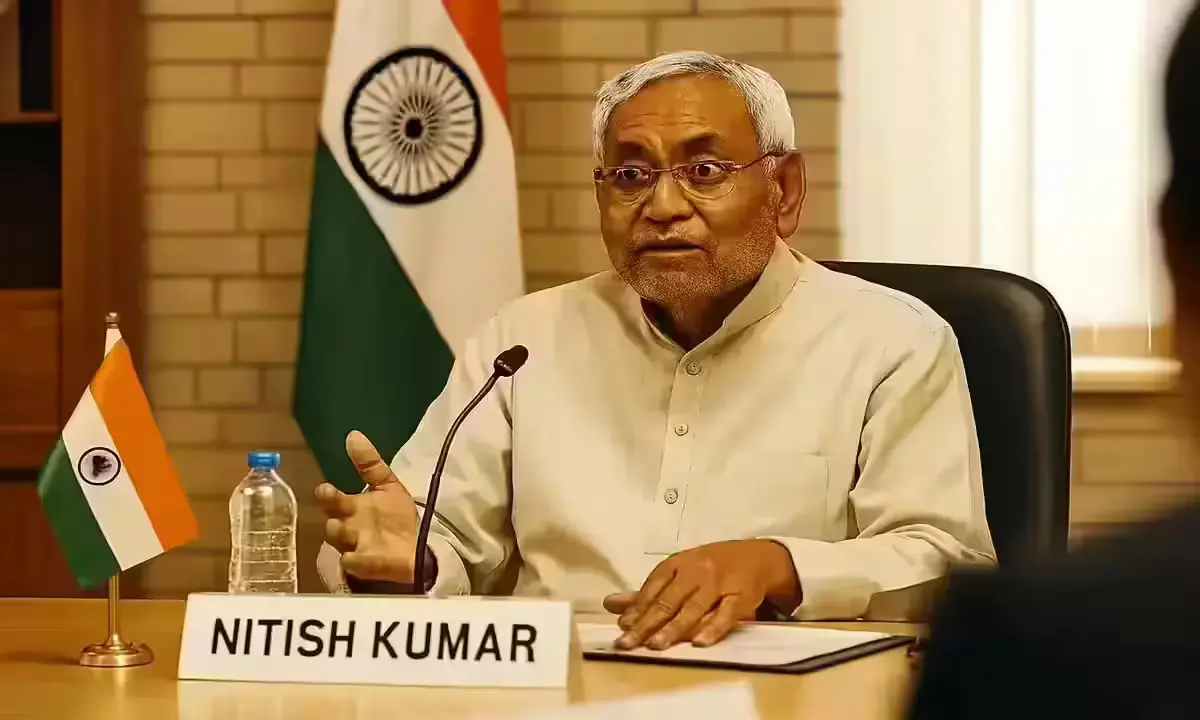
What This Means for Bihar
While the recognition itself is symbolic, it has sparked conversations across the state. Many residents view it as a moment that brings Bihar into national focus, while others feel it reflects long-term trust in Nitish Kumar’s governance.
Impact on Governance and Public Expectations
With the recognition now in place, there is growing anticipation about development projects, administrative improvements and public welfare initiatives. Citizens are particularly focused on progress in infrastructure, education, and healthcare.
What Comes Next for the State
Government departments are expected to share updated timelines and action points for ongoing programs. The milestone may not alter policy directly, but it has increased public attention on execution and accountability.
FAQ
A: He was recognised for becoming the first person in India to take oath as a Chief Minister ten times.
A: He took his tenth oath in early December 2025 as the Bihar Chief Minister.
A: The impact is symbolic, but it increases focus on governance and development efforts within the state.
A: Not directly, but it has increased public expectations for better services and faster decision-making.
A: Roads, education, healthcare, employment and administrative transparency.
