

Visa Roadblocks: Growing Uncertainty for H-1B Visa Applicants
The conversation around the H-1B visa has taken a sharp turn this month as applicants reported a fresh layer of delays and unexpected system slowdowns. While the H-1B programme has always been high in demand, the recent surge in concerns highlights how fragile the process can be for Indian tech workers who rely on the visa for employment stability in the United States.
What Happened This Week?
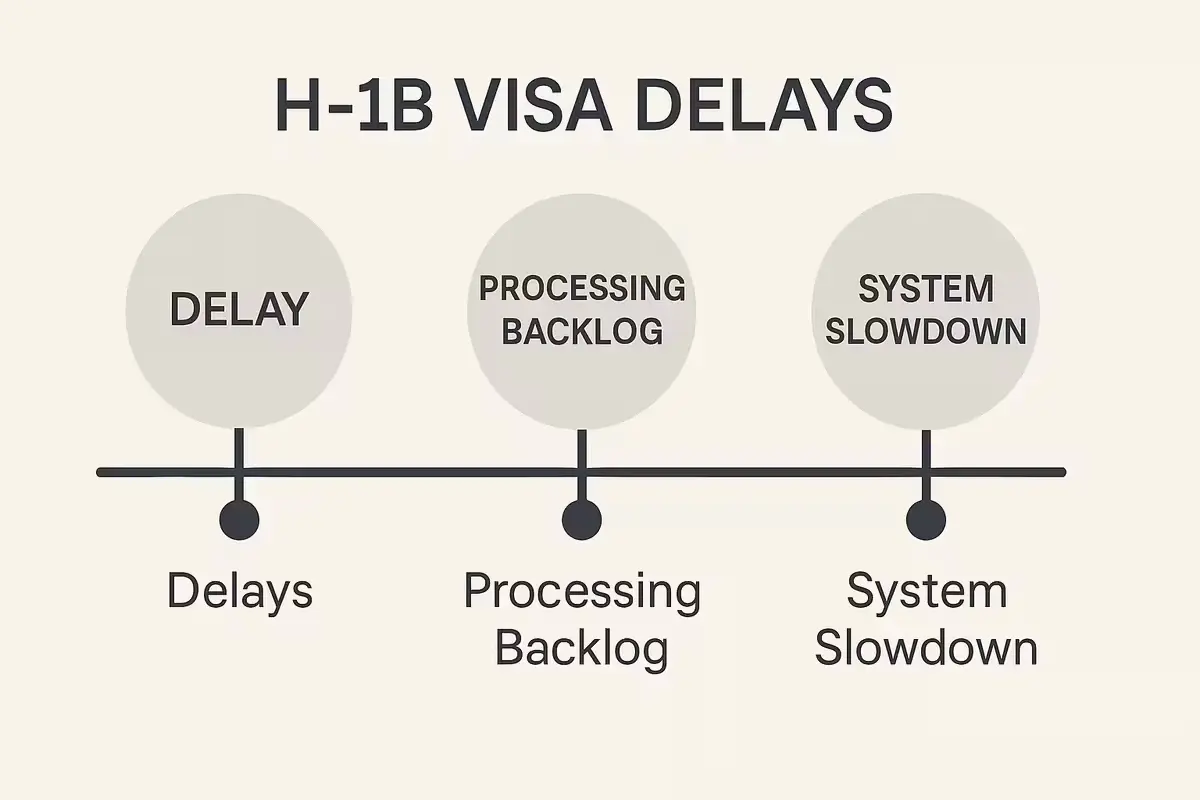
Over the past few days, applicants noted longer-than-usual waiting periods across routine stages of the H-1B system. Although no single event caused these slowdowns, the pattern suggests increased pressure on internal processing workflows. Many workers said approval timelines, which usually follow predictable cycles, have now become inconsistent.
Officials attributed the delays to higher application volumes and ongoing technological updates within the system. While no emergency advisory has been released, the effect is being felt across daily routines – from job start dates to travel plans and employer onboarding schedules.
Criteria to Fulfill the H-1B Visa Requirements
To qualify for the H-1B visa, applicants must meet specific criteria set under U.S. immigration law. Understanding these requirements helps avoid unnecessary roadblocks during the process.
- Specialty Occupation: The job must require a bachelor’s degree or higher in a specialized field.
- Educational Qualification: Applicants must hold at least a U.S. bachelor’s degree or an equivalent international qualification.
- Valid Employer-Employee Relationship: The sponsoring employer must demonstrate the ability to supervise and pay the applicant.
- Prevailing Wage Compliance: The employer must offer a salary that meets or exceeds the established wage level for the role.
- Labor Condition Application (LCA): The LCA must be filed and approved before submitting the H-1B petition.
Why Indian Tech Workers Are Impacted the Most
A majority of H-1B visa applicants come from India, particularly those in IT and engineering roles. Even minor delays ripple across thousands of applicants, creating challenges for employees and employers managing strict project timelines.
Steps to Unlock Visa Roadblocks
While delays can be frustrating, applicants can reduce stress by taking proactive steps. These measures help maintain clarity and minimize risks during uncertain processing cycles.
- Review All Documents Carefully: Ensure your petition, degree evaluations, employment letters, and supporting evidence are correct.
- Track Case Status Regularly: Monitor updates through official channels to avoid missing notices or additional document requests.
- Stay in Touch With Your Employer: Employers often receive alerts before applicants and can act quickly when needed.
- Respond to Requests Promptly: If a Request for Evidence (RFE) is issued, respond without delay.
- Maintain Valid Legal Status: Workers already in the U.S. must ensure their current status remains active during processing.
- Consider Premium Processing (If Urgent): In time-sensitive cases, employers may upgrade to faster review timelines.
The Bigger Picture
While the current situation has created inconvenience, experts believe these visa roadblocks reflect the larger structural strain within the immigration ecosystem. Still, advocates emphasize that transparency, documentation accuracy, and active follow-up remain the strongest tools for applicants navigating the evolving H-1B programme.
Complete H-1B Visa: Details & Processes
A standard application includes employer registration, petition filing, LCA approval, submission of evidence, and case monitoring. Applicants should keep all records organized and stay aware of any procedural changes during peak cycles.
FAQs
1. What is causing recent H-1B visa delays?
The increase in applications and internal system upgrades have created slower review timelines this season.
2. Are Indian tech workers impacted more than others?
Yes. Because they make up a large share of applicants, even small delays have a bigger impact on Indian workers.
3. Has any emergency advisory been issued?
No emergency alert has been issued. Officials only acknowledged slower processing patterns.
4. How can applicants deal with these visa roadblocks?
Stay updated on timelines, ensure all documents are correct, maintain communication with employers, and respond quickly to any notices.
5. Should applicants consider premium processing?
Premium processing may help when timelines are critical, but it is optional and depends on employer approval.
