

Air Quality Worsens in Delhi as AQI Crosses 400
Delhi woke up to severe air pollution as the Air Quality Index crossed the 400 mark, pushing the city into the “severe” category. With aqi in delhi today reaching alarming levels, authorities activated GRAP 4 in Delhi, the strictest stage under the Graded Response Action Plan. These measures are aimed at preventing further deterioration of air quality and reducing public health risks.
About GRAP 4
GRAP, or the Graded Response Action Plan, is a set of emergency measures implemented when air pollution crosses specific thresholds. GRAP 4 comes into force when the AQI crosses 400 and remains in the severe category. This stage focuses on restricting activities that contribute heavily to Delhi air pollution, including construction, transport, and industrial operations.
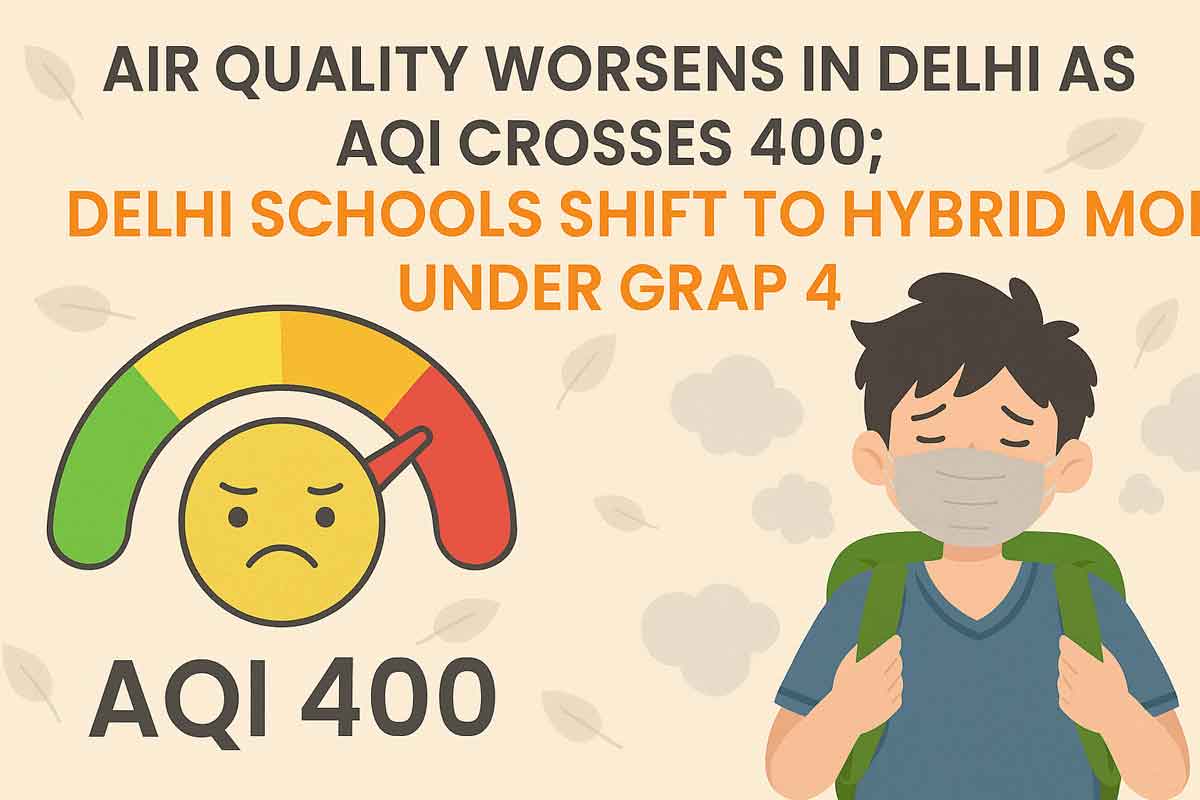
AQI Crosses 400 – What’s Restricted and What’s Not?
With aqi delhi today in the severe range, several restrictions are enforced:
- Complete ban on construction and demolition activities
- Entry restrictions on non-essential diesel vehicles
- Ban on non-BS VI diesel medium and heavy goods vehicles
- Closure of polluting industries running on coal or other solid fuels
However, essential services such as ambulances, emergency vehicles, and public utilities continue to operate to avoid disruption of daily life.
Delhi Schools Hybrid Classes 2025
One of the key steps under delhi pollution GRAP 4 is the decision related to schools. With air quality worsening, Delhi schools have shifted to a hybrid learning model for certain classes to reduce students’ exposure to polluted air.
Hybrid Learning for Classes
Under the hybrid model, students can attend classes either online or offline, depending on parental choice and school guidelines. This approach is mainly applied to senior classes, allowing academic continuity while minimizing health risks. Younger students may be advised to stay home if pollution levels remain high.
Work-from-Home and Transport Restrictions
To reduce vehicular emissions, government offices and private organisations are encouraged to adopt work-from-home options wherever possible. Transport-related measures under grap 4 restrictions include:
- Reduced use of private vehicles
- Encouragement of public transport and carpooling
- Strict checks on polluting vehicles
Monitoring and Compliance Measures
Authorities are closely monitoring compliance with GRAP 4 norms. Teams are deployed across Delhi-NCR to check construction sites, industrial units, and traffic movement. Real-time data from monitoring stations helps track aqi near me and take swift action if pollution spikes further.
Air Quality Triggers GRAP-IV
Unfavourable weather conditions, low wind speed, and high emissions have contributed to the spike in aqi in delhi. When pollution levels remain severe for consecutive days, GRAP-IV is automatically triggered to prevent a public health emergency.
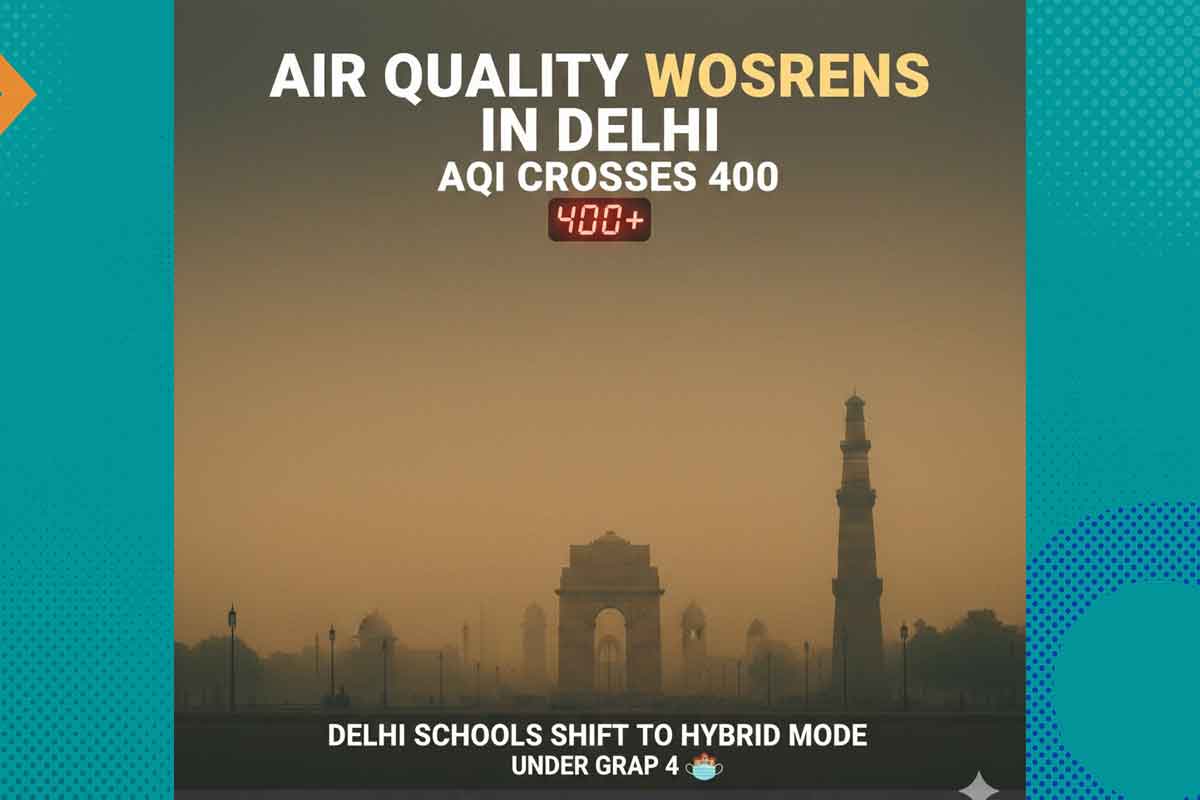
Key Details at a Glance
- Delhi AQI crosses 400, entering severe category
- GRAP 4 imposed across Delhi-NCR
- Schools shift to hybrid learning mode
- Construction and polluting vehicles restricted
- Work-from-home encouraged
Disclaimer
This article is based on official announcements and prevailing pollution conditions at the time of writing. Restrictions and guidelines may change depending on air quality trends. Readers are advised to follow official updates from authorities for the latest information.
FAQs
Q1. What does GRAP 4 mean for Delhi residents?
GRAP 4 brings the strictest pollution control measures, including bans on construction, restrictions on vehicles, and advisory measures for offices and schools.
Q2. Are Delhi schools fully closed under GRAP 4?
No, schools are following a hybrid model where students can attend classes online or offline depending on school instructions.
Q3. How long will GRAP 4 remain in force?
GRAP 4 will continue until air quality improves and AQI levels fall below the severe category.
