

Quick Highlights:
- RBI cuts repo rate, lowering borrowing costs for banks.
- Home loan interest rates may decline in the coming weeks.
- Borrowers on floating-rate loans likely to see EMI reduction soon.
- Real estate demand expected to rise after the rate cut.
RBI Repo Rate Cut: What It Means for Home Loan Interest Rates
The Reserve Bank of India’s latest repo rate cut has once again shifted attention toward EMIs, borrowing costs, and home loan affordability. For millions of borrowers, even a small rate cut can make a meaningful difference in monthly repayment and long-term financial planning. With this move, banks are expected to gradually pass on the benefit to customers, especially those with floating-rate home loans.
What Is the Repo Rate and Why It Matters
The repo rate is the rate at which the RBI lends money to commercial banks. When this rate is reduced, banks borrow at a lower cost, and this often translates into lower lending rates for retail customers. Home loans, which usually span 15–30 years, are especially sensitive to such changes.
A repo rate cut generally means:
- Lower home loan interest rates
- Reduced EMI burden
- More affordable borrowing for new buyers
- Better eligibility for higher loan amounts
How Much Can EMIs Reduce?
Most home loans today are linked to external benchmark rates that move directly with the RBI’s repo rate. When the central bank cuts rates, banks typically adjust their lending rates after the next scheduled reset.
A 25 bps repo rate cut may reduce EMIs by approximately:
- ₹750–₹1,200 per month on a ₹50-lakh loan
- ₹1.5 lakh–₹3 lakh in total interest savings over a long tenure
Borrowers with floating-rate loans benefit the most, while MCLR-based loans may take slightly longer to reflect changes.
Will All Banks Reduce Home Loan Rates Immediately?
Not all banks update their rates at the same time. The timing depends on the loan type, internal reset cycle, and linkage to benchmark rates. If your loan is already tied to a repo-linked lending rate, changes usually reflect faster.
Factors influencing the timeline include:
- Type of interest rate (floating or fixed)
- Loan benchmark (EBLR, MCLR, base rate)
- Borrower credit score
- Lender’s internal policy updates
Is This a Good Time to Take a Home Loan?
Lower interest rates often support better affordability for homebuyers. For new borrowers, this may be a suitable time to lock in a lower floating rate. Existing borrowers with higher interest rates may explore refinancing options to reduce their long-term burden.
Impact on the Housing and Real Estate Market
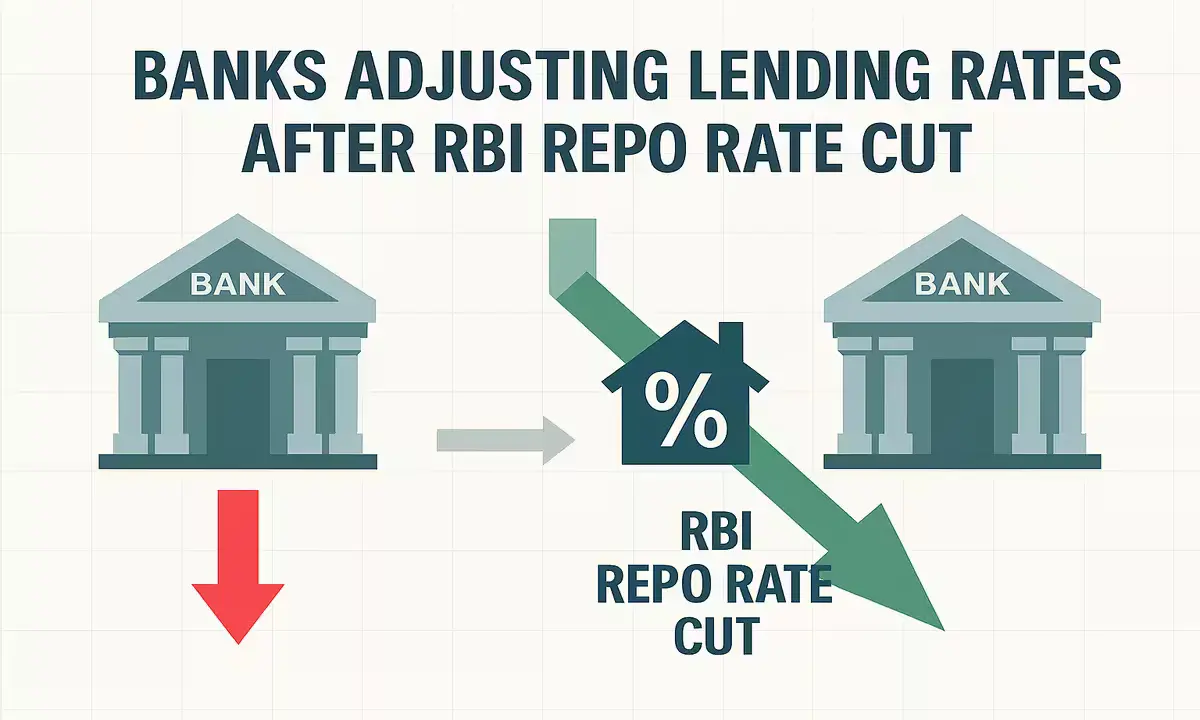
Repo rate cuts generally stimulate housing demand. With reduced EMIs, more buyers—especially in the mid-income and affordable segments—gain confidence to invest in property. Developers may also see improved traction in both ready-to-move and under-construction units.
Should You Switch Your Loan?
Borrowers paying significantly higher rates may consider switching to a repo-linked system or refinancing with another lender. Even a 0.50% difference in interest rates can offer considerable savings over long tenures.
Disclaimer
The information provided is for general understanding only. Interest rates vary by bank and loan type. Always check with your lender before making financial decisions.
FAQs
Does the repo rate cut automatically reduce my EMI?
If your loan is linked to the repo rate or EBLR, your EMI typically reduces after the next reset cycle.
How soon will home loan interest rates come down?
Banks may revise rates within days to weeks, depending on their policies and benchmark linkages.
Should I switch from fixed to floating rate?
Floating rates usually benefit more from repo rate cuts, but the decision depends on your risk preference and loan tenure.
Will this rate cut boost real estate demand?
Lower EMIs often encourage more homebuyers, contributing to increased demand in key markets.
