

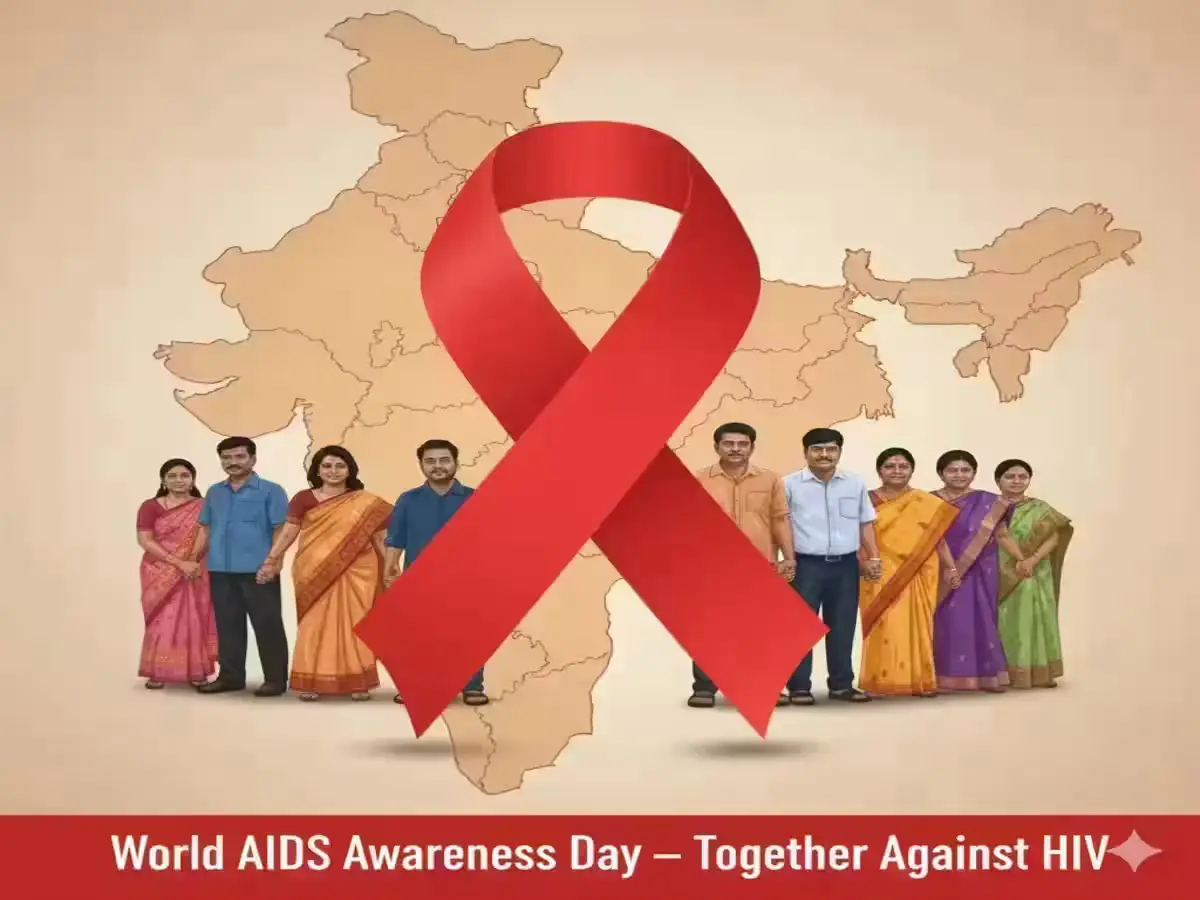
World AIDS Awareness Day – Understanding AIDS, Prevention and Andhra Pradesh’s Progress
Every year on December 1, the world pauses to mark World AIDS Awareness Day. It is a reminder of the many lives impacted by HIV/AIDS and a call to increase awareness, empathy, and prevention. This day remains as important now as ever — especially as regions such as Andhra Pradesh make notable progress in controlling HIV cases.
What is AIDS and HIV?
HIV (Human Immunodeficiency Virus) is the virus that attacks and weakens the body’s immune system. Over time, if HIV is not treated, it can lead to AIDS (Acquired Immune Deficiency Syndrome). AIDS makes the body vulnerable to infections and illnesses that a healthy immune system could normally fight off. It is important to understand that having HIV does not immediately mean a person has AIDS — early diagnosis and proper treatment can manage the condition effectively.
The Power of Awareness — “AIDS chune se nahi failta”
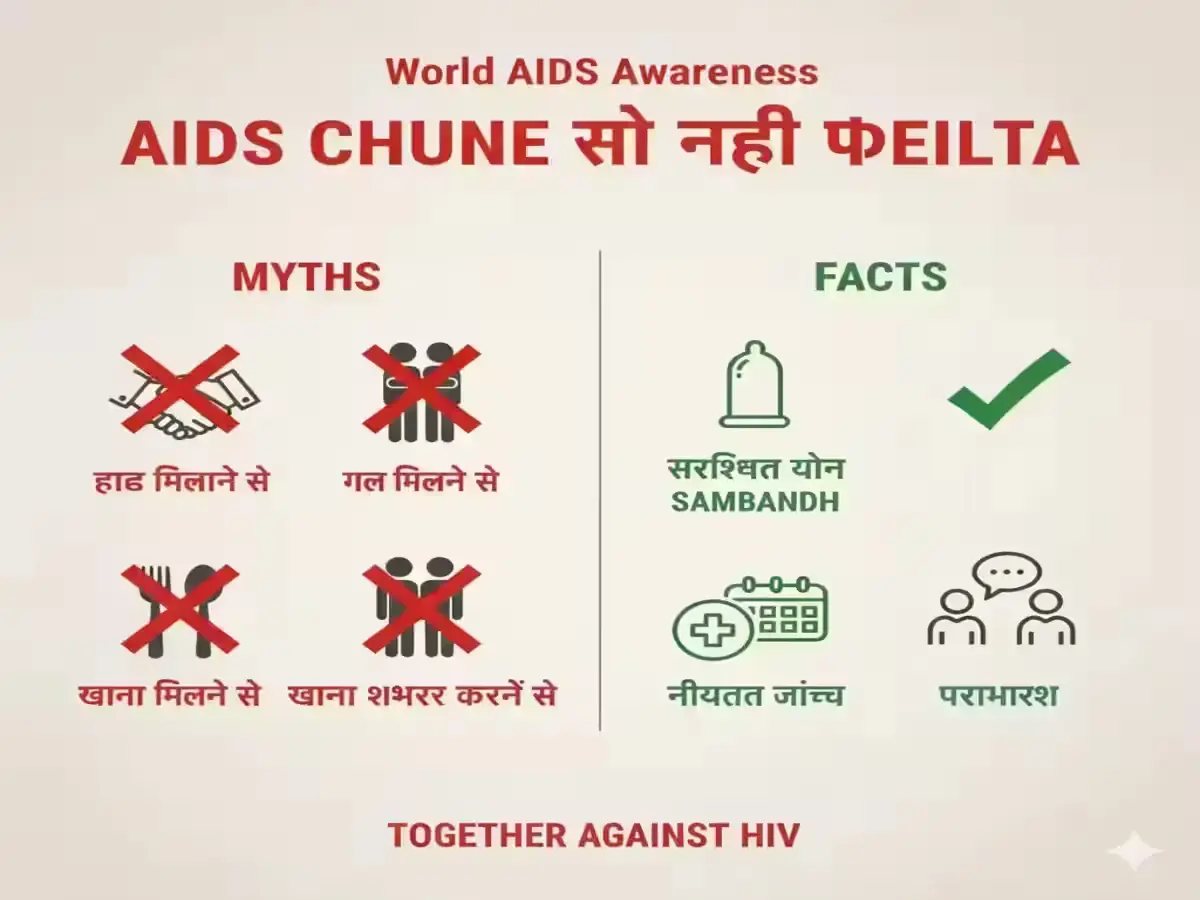
In India, awareness campaigns have played a big role in educating people and reducing fear and stigma around HIV/AIDS. One such memorable campaign used the message: “AIDS chune se nahi failta” — meaning “AIDS does not spread by touch.” This simple but powerful message helped many realise that everyday social contact — like touching or hugging — does not transmit HIV. This shift in mindset has encouraged empathy instead of fear.
Why Andhra Pradesh Stands Out in HIV Control
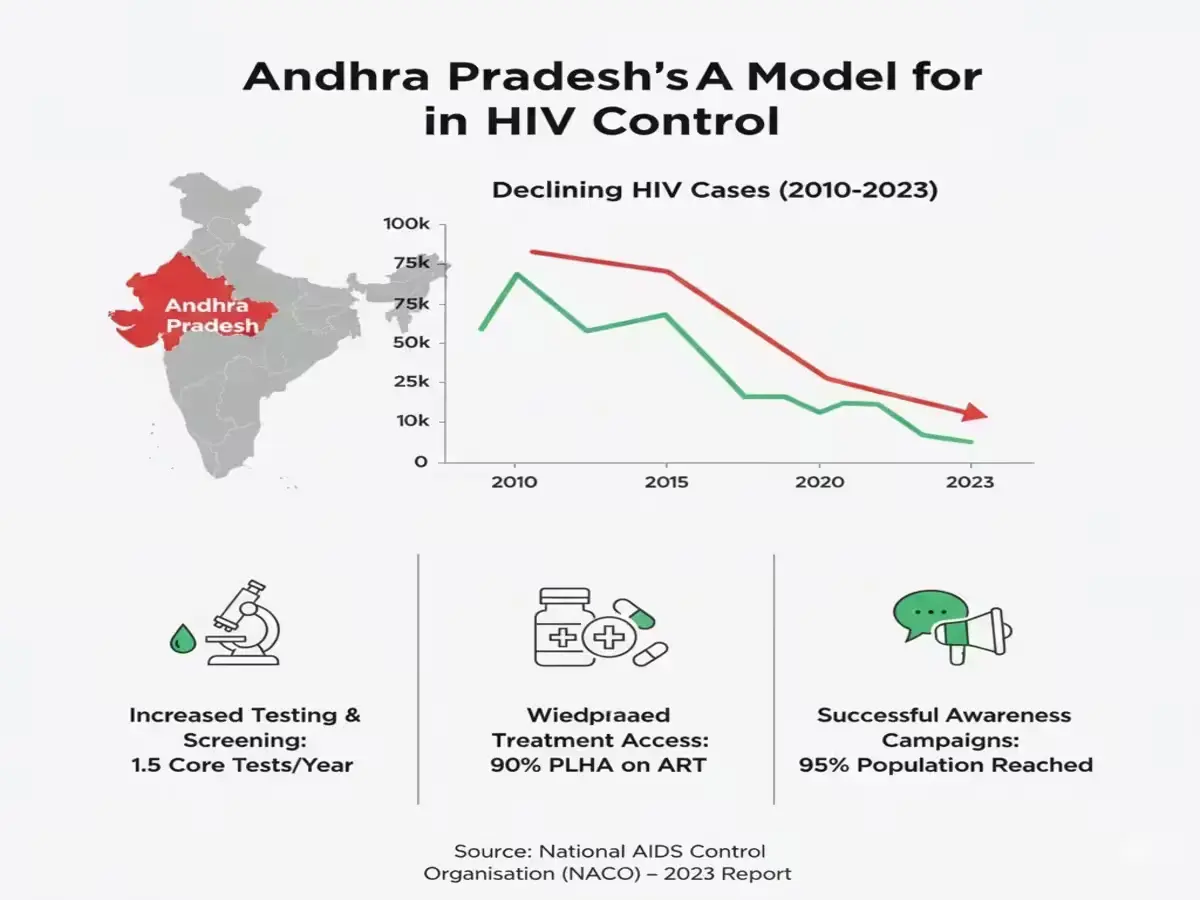
Recently, health officials announced that Andhra Pradesh has emerged as a leader in HIV control efforts in India. Over the past decade, the state has recorded a significant drop in HIV‑positivity rate among those tested — from 2.34% in 2015‑16 to just 0.58% in 2024‑25. Deaths related to AIDS in the state have also seen a steep decline. The large‑scale prevention programmes, free access to antiretroviral treatment, counselling, regular screening, and targeted outreach to high‑risk groups contributed to this success. The state government’s outreach through multiple centres ensures that people living with HIV receive care, support and regular follow-up treatment.
Health & Fitness – What You Should Know
Living with HIV doesn’t mean giving up on health or fitness. Maintaining a balanced lifestyle — including a nutritious diet, regular exercise, adequate rest and avoiding harmful habits — helps the immune system stay strong. Healthy habits benefit everyone, whether you have HIV or not. For people living with HIV, sticking to prescribed medication, regular check‑ups, and a wholesome lifestyle can help manage their health and keep opportunistic infections at bay.
Advantages – What Awareness and Treatment Bring
- Early detection and treatment allow people with HIV to live longer, healthier lives.
- Awareness reduces stigma, enabling better social support and acceptance.
- Preventive measures — safe practices, testing, counselling — reduce spread of HIV.
- State‑level efforts like in Andhra Pradesh show that coordinated public health action can significantly control HIV spread.
Challenges and Disadvantages
Despite progress, HIV/AIDS remains a serious health issue globally. There is still no complete cure — treatment helps manage it but does not eliminate the virus. Misinformation, social stigma and discrimination can force people to hide their status, delaying diagnosis and care. For many, access to healthcare, counselling or medication remains difficult — especially in rural areas or disadvantaged communities. These barriers make prevention and control harder than just convincing people to adopt safe practices.
Advice — What You Can Do
 If you or someone you know is sexually active, use protective measures like condoms and get regular check‑ups. Avoid sharing needles or engaging in risky behaviour. If you suspect exposure or want peace of mind — go for an HIV test. Respect people living with HIV — show understanding instead of prejudice. Knowledge, empathy, and responsible choices are the first steps in prevention. Spread awareness around you: talk openly, share facts and help erase myths. On days like World AIDS Awareness Day, each conversation helps break the silence.
Disclaimer
The information in this article is for general awareness and educational purposes. It does not replace professional medical advice. If you have concerns about HIV or AIDS, please consult a qualified healthcare provider for testing, counselling, diagnosis, or treatment.
Why This Matters — A Note on Hope and Unity
World AIDS Awareness Day reminds us that HIV/AIDS affects individuals, families, and societies. But with awareness, empathy and strong health infrastructure, we can change the course of this epidemic — as Andhra Pradesh is showing. The fight against AIDS is not about blame; it is about prevention, care, support and dignity.
