


- Employees can legally refuse calls, emails & messages after office hours.
- Companies must set clear communication windows for teams.
- No penalties allowed for employees who disconnect outside shift timings.
- Fines possible for companies violating the ‘right to switch off’ rule.
- Aims to improve work-life balance & reduce employee burnout.
Right to Disconnect Bill 2025: Full Details Explained
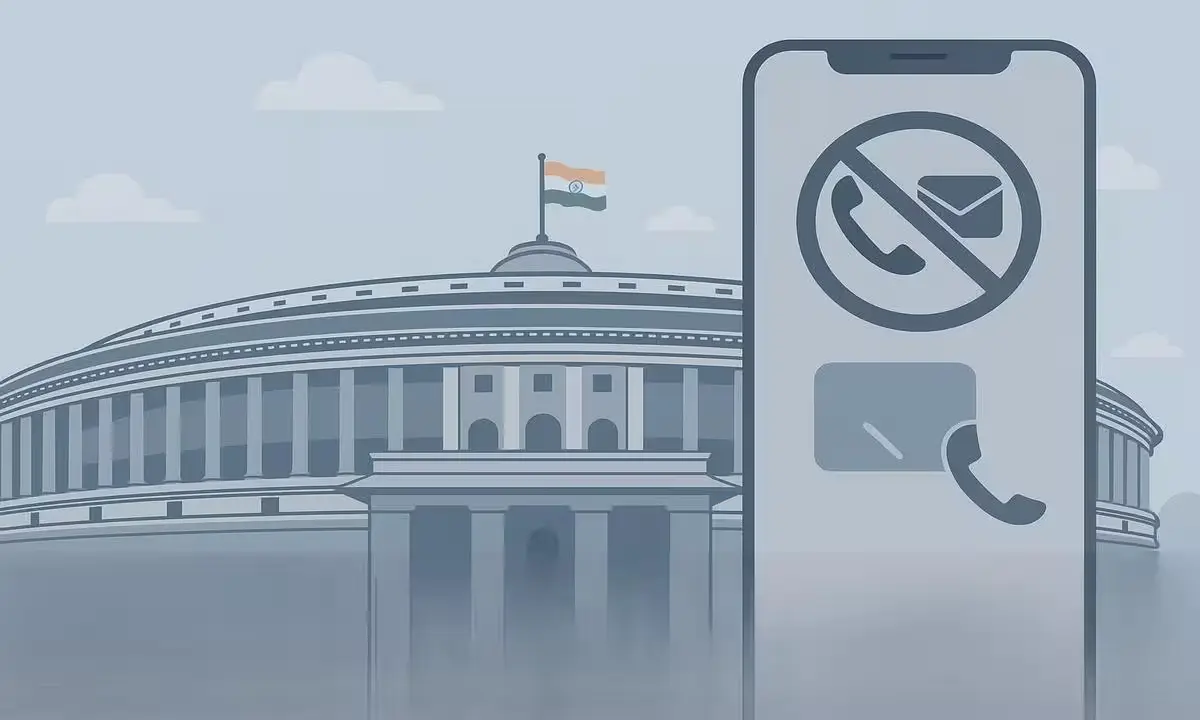
The discussion around the Right to Disconnect Bill 2025 has intensified across India, especially as work pressure and digital communication continue to blur the boundaries between professional and personal life. The bill proposes clear rules that prevent companies from forcing employees to work or respond after official working hours.
Disconnect Bill 2025 – Key Specifications
| Parameter | Details |
|---|---|
| Official Name | Right to Disconnect Bill 2025 |
| Purpose | Protect employees from after-hours communication |
| Applies To | All registered companies with digital communication practices |
| Employee Rights | Right to ignore communication outside work hours |
| Company Requirements | Set defined communication windows & disconnect rules |
| Penalty | Possible fines for pressuring employees after work hours |
| Goal | Improve work-life balance & reduce burnout |
Why the Bill Matters
The modern workplace has become heavily dependent on digital tools such as emails, messaging apps, and video calls. While this increases productivity, it also leads to extended working hours. Many employees feel pressured to stay online even after completing their shift.
The Right to Disconnect Bill aims to prevent this by guaranteeing employees a legally protected “off time” every day.
How Companies Will Be Affected
If the bill becomes law, companies will need to create internal policies defining communication hours. This could include:
- Official “no communication” timelines
- Emergency-only message protocols
- Shift-based team coordination rules
Management will have to respect these rules to avoid penalties and ensure employee well-being.

Final Thoughts
The Right to Disconnect Bill 2025 is not just a legal reform—it is a cultural shift. As India embraces healthier work practices, this bill could reshape the future of corporate life and set new standards for employee protection.
